
The digital notary – transparent yet discreet.

ProofBase follows the model of a notary as a technological principle: independent, trusted and verifiable.
We are not a notary office, but a technology platform for digital proofs – legally compliant, tamper-proof and GDPR-safe.

Hero Graphic Placeholder

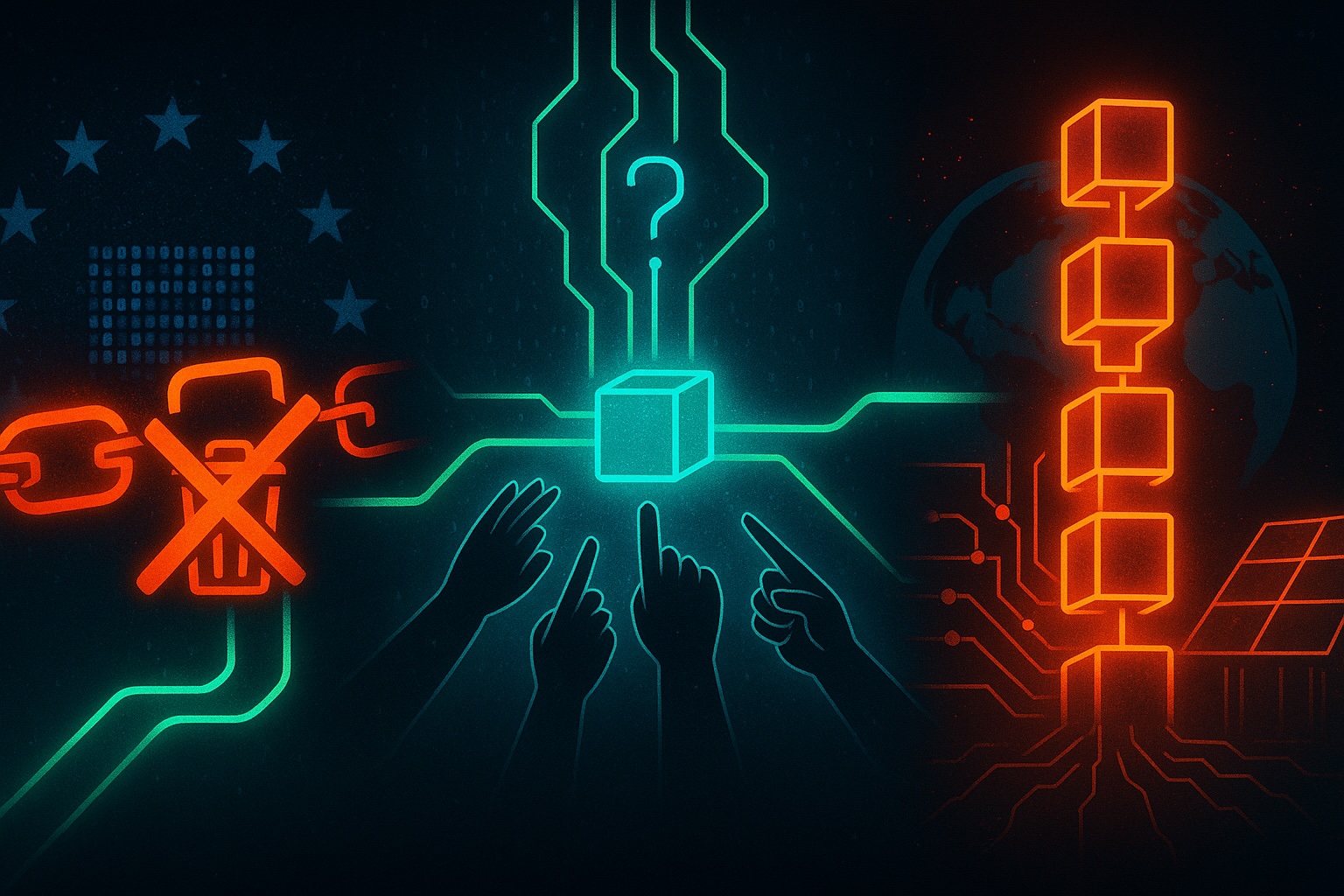
The Challenge of Classical Blockchains

GDPR Conflicts

Once stored, data cannot be deleted or modified – a conflict with European data protection law.

Undefined Responsibility

In global networks, it is unclear who is responsible for content and data – a problem for legal evidence.

High Energy Consumption

Traditional blockchains are resource-intensive and therefore unsuitable for sustainable applications.

Blockchain Comparison

The ProofBase Approach

ProofBase develops a new layer of digital trust: the ProofChain – a semi-open, resource-efficient blockchain that stores proofs in a decentralized way without exposing personal data.

  • Semi-open: Only verified participants can write entries – the public can read them.
  • Legally compliant: Personal data remains outside the chain, only cryptographic fingerprints are stored.
  • Efficient: Go-based architecture, no mining, no Proof-of-Work – ideal for cloud integration and IBM Watsonx.

Architecture Diagram

ProofPic – First Implementation

ProofPic Preview

ProofPic is the first application of the ProofBase technology. It creates digital fingerprints (perceptual hashes, pHash) of images and stores these proofs via ProofChain. This creates a secure record of authorship, timestamp and authenticity – without publishing the image itself.

Iris-Veritas – Truth in the Flow of Information

When information becomes an obligation, proof is what counts. Iris-Veritas transforms internal communications into verifiable interactions. Every message receives a tamper-proof signature and a digital read confirmation – without storing personal data, yet with full evidential power.

Iris Veritas